




Term loans can give your business a clear path to funding. You receive a lump sum, then repay it on a set schedule. Most owners like term loans because the payment and payoff date feel predictable.
However, “term loan” can mean several different products. Lenders vary in rates, fees, and approval rules. This guide breaks down term loans for small businesses in plain language, so you can choose the right option and apply with confidence.
Quick takeaways
-
Term loans for small businesses provide upfront capital with fixed repayment terms.
-
Your rate depends on credit, cash flow, time in business, and collateral.
-
Banks tend to offer lower rates, while online lenders move faster.
-
You can use a business term loan for growth, inventory, hiring, or refinancing.
-
Strong documentation and clean cash flow can raise approval odds.
What are term loans for small businesses?
 Term loans for small businesses are financing products with three core features:
1) a one-time disbursement, 2) a defined repayment schedule, and 3) a set payoff date.
In other words, you borrow a specific amount and repay it over months or years. Many term loans use fixed monthly payments. Some lenders use daily or weekly payments for shorter terms.
Because the structure stays simple, term loans often work well for planned expenses. Think expansion, equipment, inventory, or a major marketing push.
How a small business term loan works
A term loan usually follows a straightforward flow:
You apply → the lender reviews → you accept terms → funds hit your account → you repay on schedule.
Most lenders base approval on three main areas: credit profile, business performance, and risk. Risk often comes down to collateral, industry, and volatility in revenue.
Some loans use a fixed interest rate. Others use a variable rate tied to a benchmark. Either way, you should focus on total cost and payment comfort, not just the headline rate.
Common types of business term loans
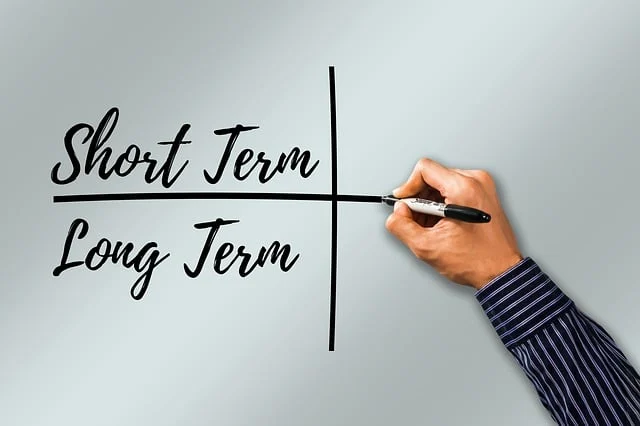
Not all term loans feel the same. The right fit depends on your timeline, use case, and documentation.
Short-term term loans
Short-term term loans often run from 3 to 24 months. Many online lenders offer these products. Approval can move quickly when your revenue stays consistent.
These loans can help during busy seasons. They can also cover a temporary cash gap after a big purchase.
Medium-term term loans
Medium-term options often run from 2 to 5 years. Payments usually stay monthly. Borrowers often use this structure for hiring, buildouts, marketing, or refinancing higher-cost debt.
Long-term term loans
Long-term products can run 5 to 10+ years, depending on lender and purpose. Banks and SBA programs commonly serve this range. Documentation tends to be heavier, but rates can be more favorable.
Secured vs. unsecured term loans
A secured term loan uses collateral, such as equipment, inventory, or real estate. Collateral can lower lender risk, which may help pricing. An unsecured term loan relies more on cash flow and credit strength.
Purpose-based term loans
Some term loans target a specific goal. Equipment term loans often match the useful life of the asset. Working capital term loans focus on operations, inventory, and growth.
Typical rates, terms, and fees
Costs depend on lender type and borrower strength. Banks often price lower, while alternative lenders may price higher in exchange for speed and flexibility.
Here are the most common cost components you may see:
-
Interest rate: fixed or variable
-
Origination fee: often a percentage of the loan amount
-
Late fees: charged when payments arrive after the due date
-
Prepayment terms: some lenders charge a fee if you pay early
Because pricing varies, compare offers using a simple approach:
monthly payment + total repayment + any fees you can’t avoid.
Also check payment frequency. Daily payments can strain cash flow even when the APR looks reasonable.
What lenders look for when you apply
Lenders want to see that your business can repay comfortably. They also want to know you manage money responsibly.
1) Time in business
More time in business often signals stability. Many programs prefer 2+ years, though options exist below that mark.
2) Revenue and cash flow
Revenue matters, but cash flow matters more. Lenders often review bank statements to confirm consistent deposits. They may also evaluate margins and existing debt payments.
3) Credit profile
Strong personal credit can help, especially for smaller companies. Business credit can also matter when you borrow larger amounts.
4) Debt obligations
Lenders compare existing payments to income. They want room for the new payment. Lower overall debt stress usually improves approval odds.
5) Collateral and guarantees
Some loans rely on collateral. Many lenders also require a personal guarantee. Ask early, so you understand the commitment.
Pros and cons of term loans for small businesses
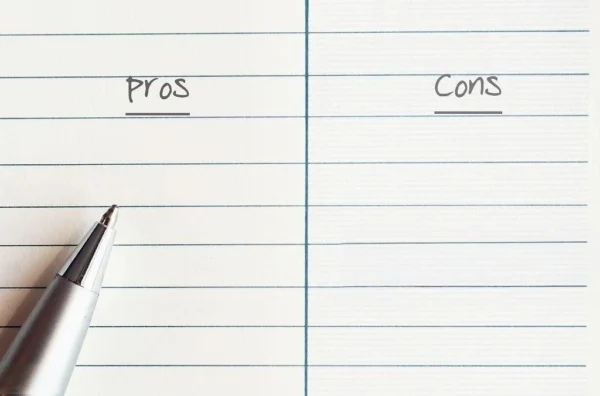 A business term loan can be a great tool, but it needs the right match.
Pros
-
Predictable repayment schedule
-
Useful for one-time investments
-
Can improve budgeting and planning
-
Larger limits may be available with strong financials
Cons
-
Monthly payment adds fixed pressure
-
Fees can raise total cost
-
Some lenders limit how you use funds
-
Early payoff may not always reduce total cost
Because every business runs differently, you should model the payment against slow months. A term loan should help you grow, not squeeze you.
Term loan vs. line of credit vs. SBA options
You’ll often compare term loans to other funding tools. The best choice depends on how you plan to use the money.
Term loan
Choose a term loan when you need a lump sum for a clear purpose. Expansion and refinancing often fit well here.
Business line of credit
Choose a line of credit when your needs repeat. Lines work well for ongoing cash flow swings, payroll timing, and recurring inventory orders.
SBA loans
SBA programs can offer longer terms and competitive pricing, but the process can take longer. Documentation often feels heavier too. Still, SBA financing can be an excellent fit for qualified borrowers.
If you want a fast answer without guessing, Kredline can help you compare options based on your goals and qualifications.
Best uses for a small business term loan
Term loans for small businesses work best when the money creates a return. That return can be direct profit or meaningful cost savings.
Common strong use cases include:
-
Buying inventory ahead of peak season
-
Hiring revenue-producing staff
-
Expanding a location or adding a new one
-
Purchasing equipment that increases output
-
Refinancing expensive debt into a clearer structure
-
Funding marketing campaigns with measurable ROI
Avoid using a term loan for chronic cash flow problems. In that case, you may need pricing, cost control, or collections support first.
How to improve approval odds and get better terms
You can often raise approval odds with a few focused steps. Small changes can also reduce your cost.
Start with your bank statements. Clear, consistent deposits build lender confidence. Next, reduce overdrafts and avoid large unexplained cash withdrawals.
Then, prepare a clean document package:
-
Last 3–6 months of bank statements
-
Basic business information (entity, address, EIN)
-
Driver’s license for owners
-
Recent tax returns, if available
-
Profit & loss statement, if you track it
-
Current debt schedule (what you already pay monthly)
Also keep your “use of funds” simple. Lenders like clear stories with measurable outcomes.
FAQs about term loans for small businesses
What credit score do I need for a term loan?
Many lenders consider more than credit score alone. Revenue consistency, time in business, and existing debt matter a lot. Strong cash flow can open doors even when credit needs work.
How fast can I get funded?
Funding speed depends on lender type and documentation readiness. Online options can move quickly when bank statements look clean. Bank and SBA paths can take longer due to deeper underwriting.
Can I use a term loan for working capital?
Yes, many term loans for small businesses support working capital. You can use funds for payroll, inventory, marketing, or operating expenses, depending on lender rules.
Is a term loan better than a line of credit?
A term loan fits one-time needs and planned investments. A line of credit fits ongoing cash flow swings and repeated purchases. The “better” choice depends on how you’ll use the funds.
Will I need collateral?
Some lenders require collateral, while others rely on cash flow and credit. Equipment loans often use the equipment as collateral. Ask early so you understand the structure.
Final Thought
Term loans for small businesses can unlock growth when you use them wisely. The right structure gives you predictable payments and a clear payoff date. Better documentation and steady cash flow usually lead to better options.
If you want to compare term loan offers without wasting time, apply through Kredline and review options that match your business goals. View funding options.