


 If you’re searching for easy business funding, you’re probably not looking for a lecture on finance. You want a clear path to capital without jumping through a million hoops. You also want options that match how your business actually runs, whether you invoice customers, swipe cards, sell online, or manage seasonal slowdowns. This guide breaks down what “easy” really means, what lenders look for, and how to position your business so approvals come faster and offers get better.
When you’re ready to see what you qualify for, start here: Kredline prequalification. If you want to compare funding types side by side, visit the funding options page.
What “Easy Business Funding” Actually Means
“Easy” does not mean “no rules.” It means the process feels simple, the requirements make sense, and you don’t get stuck waiting. Most business owners want three things:
- Speed to decision
- Minimal paperwork
- Terms that won’t crush cash flow
Plenty of lenders advertise fast approvals. The difference shows up after you apply. Some teams ask for the same document three times. Others move quickly because your file comes in clean and complete.
You can influence that outcome more than you think.
Start With One Simple Question: What Do You Need the Money For?
Funding gets easier when the purpose is clear. Lenders like a strong “use of funds” because it reduces risk. You also make it easier to choose the right product.
Common reasons small businesses seek capital include:
- Covering payroll during a slow month
- Buying inventory ahead of a busy season
- Repairing equipment that can’t wait
- Bridging the gap between invoices and payments
- Launching marketing that needs runway
- Handling a surprise tax bill
Pick the main reason first. You can list secondary uses later. Clarity speeds everything up.
The Five Things Lenders Care About Most
Even “easy” funding follows patterns. In most cases, lenders focus on a small set of factors.
Revenue consistency
Stable deposits matter more than one big month. A steady trend builds confidence.
Time in business
Many programs start opening up after six to twelve months. More time usually means more options.
Cash flow and bank behavior
Frequent overdrafts scare lenders. Clean bank history helps you move faster.
Industry risk
Some industries face more chargebacks, seasonality, or fraud. That affects terms.
Credit profile
Credit still matters, even in revenue-based products. Strong credit can lower cost.
None of this requires perfection. It does require preparation.
A Quick Reality Check on “No Doc” Offers
 You’ll see ads that promise instant approvals with no documents. In real lending, someone always verifies something. The best-case scenario uses automated bank connections, which can feel easy. The worst-case scenario hides expensive terms behind a “simple” pitch.
Ask two questions before you accept any offer:
- What is the total payback amount?
- What is the expected weekly or daily payment?
If someone dodges those answers, walk away.
The Easiest Funding Options, Explained in Plain English
Different businesses qualify for different types of capital. Here are common options that can be “easy” when they fit your situation.
Business line of credit
A line of credit works like a reusable pool of money. You draw what you need and repay, then reuse it. Many owners like lines because they cover surprises without taking a huge lump sum.
Lines often work well for:
- Working capital
- Inventory cycles
- Short-term gaps
Term loan
A term loan gives you a lump sum upfront with fixed payments. It can work well for planned projects, expansions, or consolidating expensive debt into something cleaner.
Term loans can feel easy when:
- Your revenue supports monthly payments
- Your business has been operating consistently
- You have a clear use of funds
Revenue-based financing or MCA-style products
These products often approve faster because they focus on revenue and deposits. They can help businesses that need speed, especially when credit sits in the middle.
They can make sense when:
- You need funds quickly
- You can handle frequent payments
- You have strong and consistent sales
They can become painful when payments squeeze cash flow. Match the product to the rhythm of your revenue.
Equipment financing
If you need a specific piece of equipment, this option ties financing to the asset. That structure can make approvals easier because the equipment acts as collateral.
Equipment financing often works for:
- Trucks and trailers
- Machinery and tools
- Medical or restaurant equipment
- POS systems and terminals
How to Choose the Right Option Without Overthinking It
Try this simple framework.
If you need flexibility, look at a line of credit.
If you need a lump sum, consider a term loan.
If speed matters most, explore revenue-based options.
If invoices cause the problem, consider factoring.
If you’re buying equipment, finance the asset directly.
That small decision tree saves time and prevents mismatches.
For a quick comparison across products, you can use: Kredline funding options.
Why Some Businesses Get Approved Faster Than Others
Two businesses can have similar revenue and still get very different experiences. The difference often comes down to how the application is packaged.
A strong file answers lender questions before they ask. That reduces back-and-forth and speeds approvals.
These are the biggest “approval speed” boosters:
- Clean bank statements with steady deposits
- Accurate business information across all documents
- A simple explanation of what the funds will do
- A reasonable request amount based on revenue
If you request $250,000 on $20,000 per month in revenue, delays happen. Lenders need the math to work.
The Documents That Make Funding Easy

Most small business funding decisions come down to a few basics. Get these ready before you apply.
- Last 3 to 6 months of business bank statements
- Driver’s license
- Voided check or bank letter
- Basic business details and ownership info
Some lenders may ask for:
- A profit and loss statement
- Tax returns
- Accounts receivable aging report
- Lease agreement
- Merchant processing statements
You don’t always need all of these. Still, having them ready keeps momentum.
A Simple Checklist to Apply With Confidence
Before you submit any application, do these quick checks.
- Confirm your legal business name matches your bank account.
- Use the same address everywhere, including your online listings.
- Make sure your deposits reflect real sales, not transfers.
- Reduce overdrafts and negative days if you can.
- Keep your request realistic for your revenue level.
Small fixes can raise approval odds fast.
How Much Funding Should You Request?
Many owners ask for the maximum. That can backfire. An oversized request creates more scrutiny. It can also lead to payments that feel tight.
A better approach uses a range.
Start with the minimum amount that solves the problem.
Add a buffer for unexpected costs.
Consider how payments affect your slowest month.
If you want $60,000 but could succeed with $40,000, lead with the smaller figure. You can often scale later after strong repayment history.
How to Improve Your Offers Without Waiting a Year
You can improve terms faster than most people expect. Focus on what lenders see right away.
Stabilize deposits – Aim for steady revenue, even if it means smoother pricing or smaller promos.
Cut NSF and overdrafts – A clean bank story reduces risk quickly. It also improves lender confidence.
Separate business and personal expenses – Mixed spending creates confusion. Clear separation helps underwriting.
Pay down revolving credit – Lower utilization can raise credit score and reduce perceived stress.
Keep your books current – Accurate numbers speed underwriting. They also reduce follow-up requests.
You don’t need perfect bookkeeping. You need consistent reporting.
What to Watch Out For With Fast Funding
Speed can be great. Hidden costs are not.
Watch for these red flags:
- A salesperson refuses to share the total payback
- The payment frequency feels aggressive for your business
- The contract includes a “confession of judgment” in your state
- The offer stacks on top of existing high-payment debt
- The lender pushes you to sign immediately without clarity
Ask for the full cost. Ask for the payment schedule. Ask for the term length. Clarity protects you.
If you want a neutral prequalification step that keeps things simple, you can start here: Kredline prequalification.
How Credit Impacts “Easy” Funding, Even When It’s Not the Main Factor
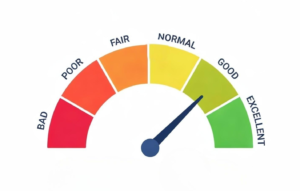 Some products lean on revenue. Credit still influences the final offer in many cases. Think of credit as a pricing lever.
Strong credit can:
- Increase approvals
- Lower cost
- Extend terms
- Reduce required documentation
Lower credit can:
- Limit options
- Increase cost
- Shorten terms
- Increase payment frequency
You can still get funded with credit challenges. You just need a plan that fits cash flow.
The Best Way to Compare Offers
Many owners compare offers only by interest rate. That does not work across different products. Instead, compare what you actually feel.
- Total payback amount
- Payment amount and frequency
- Term length
- Any fees and how they’re charged
- Early payoff rules
- Whether payments flex with revenue
You want a payment plan your business can handle in a slow week.
Funding Timing: When to Apply for the Best Results
Timing matters more than most people realize.
Apply when bank statements show stability.
Avoid applying right after a big overdraft stretch.
Consider applying after a strong month, not during a dip.
Have a plan for how you’ll use funds immediately.
Lenders love momentum. They like businesses that look in control.
Easy Business Funding for Common Business Types
Different business models create different underwriting stories.
Restaurants
Lenders focus on deposit consistency and seasonal swings. Strong card sales help. Clean bank statements help even more.
Automotive repair shops
Equipment needs can make equipment financing a great fit. Steady ticket volume supports lines of credit too.
Contractors
Invoicing delays often create cash crunches. Factoring or a line can smooth things out.
E-commerce
Lenders look at processing volume and refund rates. Clear revenue reporting speeds approvals.
Medical and professional services
Strong margins help. Clean financials can open better terms.
Your business type doesn’t lock you into one option. It does influence what feels easiest.
A Practical Plan to Get Funded Without Stress
 Here’s a simple path that works for most owners.
Gather your last 3 to 6 months of bank statements.
Decide the main use of funds and a realistic amount.
Check that business info matches across bank and documents.
Apply through a prequalification step first when possible.
Compare offers based on payment impact, not hype.
Choose a product you can repay comfortably in slow periods.
That approach keeps you in control. It also helps you avoid expensive mistakes.
Where Kredline Fits Into the Process
Kredline is built to help business owners sort through options without getting lost. You can start with a quick step that doesn’t feel overwhelming, then move into the best-fit products.
Use these links based on what you want to do next:
Prequalify to see where you stand: Kredline prequalification
Review funding types and learn the differences: Kredline funding options
Helpful Resources From Trusted Organizations
If you want to dig deeper into business financing basics and borrower protections, these resources help.
The U.S. Small Business Administration’s financing guidance: SBA loans and financing
Plain-language lending concepts and consumer education: CFPB consumer resources
How business credit works and what impacts scores: Experian business credit education
