





 If you’re searching for a restaurant working capital loan, you likely need fast, practical funding for a real business need. Maybe payroll is coming up before a busy weekend. Maybe food costs jumped again. Maybe a cooler failed and you need to act before inventory spoils. Restaurants move fast, so cash flow problems can hurt fast too. The right funding can help you cover short-term expenses, protect service, and keep revenue moving. If you want to compare options right away, start with Kredline’s business funding options or see if you prequalify for business funding.
A restaurant working capital loan gives you access to funds for day-to-day operating needs. Owners often use it for payroll, food inventory, repairs, utilities, rent, marketing, and other short-term expenses that keep the business running. That flexibility makes this type of financing useful, but it also means you need to look closely at repayment, total cost, and fit before you accept an offer. If you already know you want to move forward, you can also apply for business funding.
A restaurant working capital loan is a business financing option that provides funds for short-term operating expenses such as payroll, inventory, repairs, rent, utilities, and other everyday cash flow needs.
Key takeaway: The best restaurant working capital loan solves a near-term problem without putting even more strain on your restaurant’s daily cash flow.
The Simple Definition in Plain English
A restaurant working capital loan helps you cover the normal costs of running a restaurant when incoming cash and outgoing expenses do not line up perfectly. That situation is common in food service. Sales can shift because of weather, seasonality, staffing problems, delivery app fees, local events, and changes in food costs. Even a restaurant with strong long-term potential can hit a short-term cash gap.
Working capital financing exists to help bridge that gap. It is not meant to fix every business problem. Instead, it gives you breathing room when timing becomes the main issue.
Why Restaurant Owners Look for Working Capital
Most restaurant owners do not seek financing because everything is going smoothly. They apply because they need to solve a short-term business problem. A vendor needs payment. Payroll is due. Inventory must be restocked before a holiday weekend. A key piece of equipment has to be repaired now, not next month.
Some owners also use working capital to support growth. That may include adding catering, refreshing the dining room, increasing marketing, or stocking up before a peak season. In those cases, speed matters almost as much as price.
If you are still comparing structures, Kredline’s business funding resources and business funding frequently asked questions are worth reviewing before you decide.
How a Restaurant Working Capital Loan Works
The process is usually straightforward. You apply with basic business information and recent financial documents. Many providers review business bank statements, time in business, revenue trends, and overall cash flow. If approved, you receive funds as a lump sum or access to a revolving credit line. Then you repay the amount over an agreed term.
The exact setup depends on the product. Some restaurant working capital loans are structured as short-term business loans. Others work more like a business line of credit, which lets you draw funds when needed instead of taking one lump sum upfront. Restaurants with uneven sales may also compare revenue-based financing or even a merchant cash advance when repayment flexibility matters.
Imagine a restaurant needs $35,000 to cover payroll, buy inventory, and handle an urgent equipment repair during a slow stretch. A working capital product can provide those funds now, then spread repayment over time. If that financing helps the restaurant avoid canceled shifts, lost inventory, or missed service, the business may preserve far more revenue than the financing costs.
That said, results depend on how the money is used and whether the payment fits the restaurant’s real cash flow.
Restaurant Working Capital Loan vs. Long-Term Financing
This distinction matters. Working capital financing usually works best for short-term operating needs. It is often less ideal for long-term projects that may take many months to produce a return. If you are opening a second location, doing a major remodel, or making a large strategic investment, a short-term structure may create too much pressure.
For example, if your main need is replacing a failed freezer, oven, or POS system, equipment funding may be a better fit than general working capital. If your priority is lower-cost, longer-term financing and your business qualifies, SBA 7(a) working capital may also be worth comparing.
What Restaurants Usually Use Working Capital For
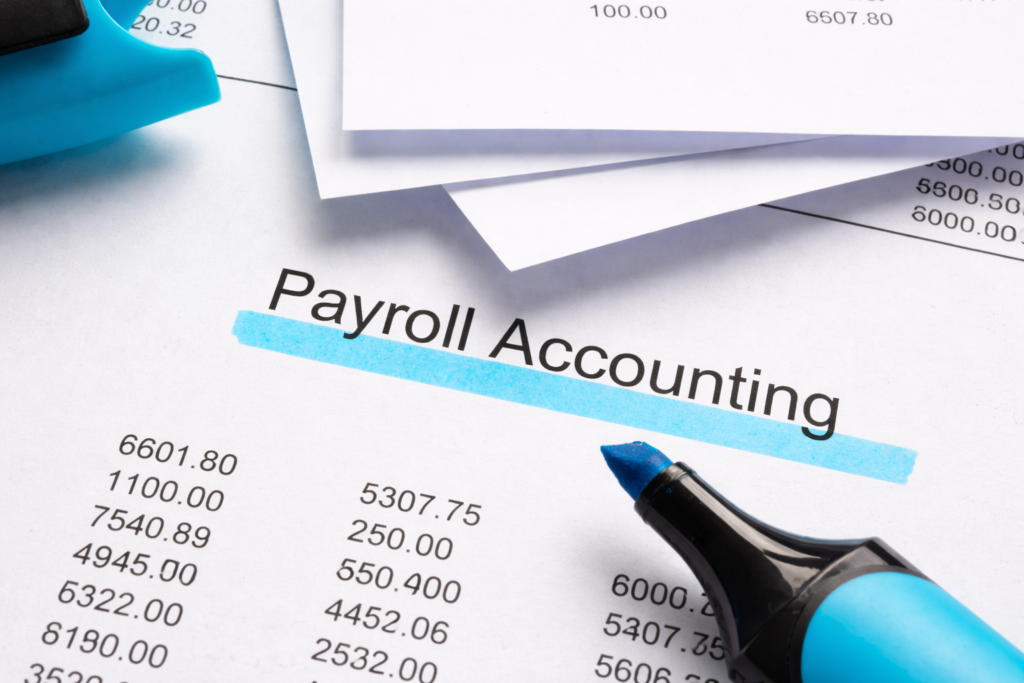
A restaurant working capital loan can support many common business needs. Payroll is one of the biggest. Labor costs hit on schedule whether sales were strong or soft that week. Inventory is another major reason owners seek financing, especially before holidays, event seasons, or large catering jobs.
Repairs also drive demand. A broken oven, walk-in cooler, HVAC unit, fryer, or POS issue can slow service or stop it entirely. In that case, a fast funding option can help you fix the problem before lost sales pile up. If the need is tied directly to equipment, it also makes sense to review Kredline’s equipment funding options.
Restaurant owners also use working capital for:
- rent and utilities
- vendor catch-up payments
- seasonal staffing
- short-term marketing pushes
- small renovations
- inventory purchases
- emergency cash flow gaps
If your restaurant depends heavily on card sales, payment timing, or POS performance, you may also want to look at Kredline’s merchant services solutions.
Why Speed Matters in Restaurants
Restaurants rarely get weeks to solve a problem. Equipment breaks overnight. A supplier wants to be paid now. A seasonal opportunity shows up fast. When speed matters, access to capital can make the difference between staying open smoothly and losing momentum.
Still, fast approval should never be the only reason to choose a product. A quick offer only helps if the repayment structure also makes sense.
Working Capital Should Support Operations, Not Hide Bigger Problems
Working capital can smooth out temporary stress. It cannot fix an unhealthy business by itself. If food costs stay out of control, labor is unmanaged, pricing is too low, or demand keeps slipping, financing may only delay the core problem.
That is why smart owners pair funding with stronger controls. Better inventory management, tighter scheduling, menu engineering, and more accurate forecasting can all improve the outcome. If you want more guidance before applying, Kredline’s business funding resources can help you compare your next move.
What Lenders Look for When Approving a Restaurant Working Capital Loan
Lenders usually want to see stable revenue and enough cash flow to support repayment. They often look at recent deposits, time in business, average balances, and overall operating trends. Credit can matter, but many working capital products also focus heavily on real-world business performance.
Restaurants often receive closer review because the industry runs on thin margins and frequent volatility. A lender may look carefully at overdrafts, deposit consistency, seasonality, and recent disruptions.
Documents You May Need
Common application documents may include:
- recent business bank statements
- a driver’s license
- business tax returns
- processor statements
- profit and loss statements
- a voided check
If you want a clearer picture of what lenders look for, review Kredline’s business funding FAQs. That is a natural place to answer questions about qualification, pricing, terms, and required documents.
Approval Does Not Always Mean Affordability
An approval amount is not the same as a comfortable payment. That is one of the biggest mistakes owners make. Before you accept a restaurant working capital loan, look at the payment against a conservative sales scenario. Could the restaurant still handle payroll, food costs, and occupancy expenses during a slow stretch?
That question matters more than the maximum amount offered. You should also compare fees, repayment cadence, and total payback. Kredline’s business funding FAQs and business funding resources can help you think through those details before you commit.
When a Restaurant Working Capital Loan Can Make Sense
A restaurant working capital loan often makes sense when the need is temporary, specific, and tied to normal operations. Good examples include covering payroll during a seasonal dip, purchasing inventory ahead of a profitable rush, or repairing equipment that directly affects revenue.
It can also make sense when timing matters more than getting the absolute lowest cost. If a refrigeration failure could spoil inventory and force canceled service, fast funding may be the smarter financial decision.
Situations Where It Often Helps
 This type of financing usually works best when the business already has demand and mainly needs liquidity. That may include restaurants with:
- strong weekend traffic
- repeat catering income
- predictable seasonal patterns
- temporary working capital gaps
- clear short-term revenue opportunities
If you want to explore options without jumping straight into a full application, prequalify for business funding.
Situations Where You Should Slow Down
Be cautious if you are borrowing just to cover recurring losses every month. That pattern can get expensive. It can also lead to stacked funding, where one deal is layered on top of another.
If your real issue is deeper, such as weak traffic, pricing problems, high waste, or poor labor control, operations may need attention before financing becomes truly helpful. In some cases, a different product may fit better. For example, restaurants looking for lower-cost, longer-term financing may want to compare SBA 7(a) working capital. Restaurants with highly variable card sales may look into a merchant cash advance or other revenue-based financing options.
Restaurant Working Capital Loan vs. Line of Credit
Many owners searching for a restaurant working capital loan are really trying to solve for flexibility. That is where a business line of credit can come in. A line of credit lets you draw only what you need, when you need it. That can make it useful for restaurants with recurring short-term gaps or seasonal swings.
A working capital loan may still be the better fit when you know the exact amount you need and the reason for borrowing. If payroll, vendor payments, and repairs add up to a specific figure, a lump-sum structure may feel simpler and easier to plan around.
Other Options Worth Comparing
Restaurants should also compare:
- short-term business loans
- revenue-based financing
- merchant cash advance options
- equipment funding
- SBA 7(a) working capital
Each option solves a slightly different problem. Equipment funding is often a smart match when the main expense is a specific asset. A line of credit can be useful when needs come and go. An MCA can appeal to businesses that want payments tied more closely to sales activity. SBA financing can be attractive for qualified borrowers who want longer terms and a more traditional structure.
If you want a broader side-by-side view, go back to Kredline’s funding options page.
| Funding Option | Best For | Speed | Typical Cost |
|---|---|---|---|
| Restaurant Working Capital Loan | payroll, inventory, repairs, short-term cash flow gaps | Very Fast | Medium–High |
| Business Line of Credit | recurring cash flow needs and flexible access to capital | Fast | Low–Medium |
| Merchant Cash Advance | businesses with strong card sales that need fast access and flexible remittance tied to revenue | Very Fast | Medium–High |
How to Choose the Right Restaurant Working Capital Loan
Start with the payment, not the offer size. Many owners focus on how much they can qualify for. A better question is whether the repayment fits the restaurant’s actual cash cycle.
Look closely at your slow periods, not just your best weeks. Then match the funding structure to the problem you are solving. Short-term needs often call for short-term financing. Longer-term projects may require a different approach.
You should also compare:
- total payback
- fees
- repayment frequency
- prepayment terms
- use-of-funds fit
- speed to funding
- how the product behaves during a slow month
If you are ready to take the next step, prequalify for business funding or apply for business funding.
Restaurant Working Capital Loan FAQs
It is business funding used to cover short-term operating expenses such as payroll, food inventory, repairs, rent, utilities, and other daily restaurant costs. To compare restaurant-friendly products, review Kredline’s funding options.
A restaurant can use working capital for payroll, vendor payments, inventory, emergency repairs, seasonal staffing, and short-term cash flow needs. If you need money for a specific asset, equipment funding may be worth a closer look.
No. A working capital loan usually gives you a lump sum with scheduled repayment. A business line of credit lets you draw funds as needed, which gives you more flexibility.
That depends on revenue, time in business, banking history, and overall cash flow. If you want more detail on what providers review, see Kredline’s business funding FAQs.
Some restaurants may still qualify depending on revenue and business performance. Qualification standards vary by product and provider. A good first step is to prequalify for business funding.
Timing varies by product, documentation, and lender requirements. The fastest route for many owners is to prequalify first and then continue to the full process if the fit looks right.
Compare total cost, repayment frequency, fees, flexibility, funding speed, and whether the product fits the use of funds. Kredline’s business funding resources and FAQs can help you review those details.
It may be a weak fit when the business has ongoing losses, the project is long-term, or the payment would strain already tight cash flow. In those cases, it helps to compare options like SBA 7(a) working capital, equipment funding, or a business line of credit.
Learn More About Restaurant Funding
If you want to go deeper, start with Kredline’s funding options page for side-by-side product comparisons. Then review the business funding resources page for FAQs, articles, and tools that can help you choose with more confidence.
When you are ready, prequalify for business funding or apply now.
